25 out of 26 Land Units Cleared for the Thermal Power Plant No. 5 (TPP-5) Project Route
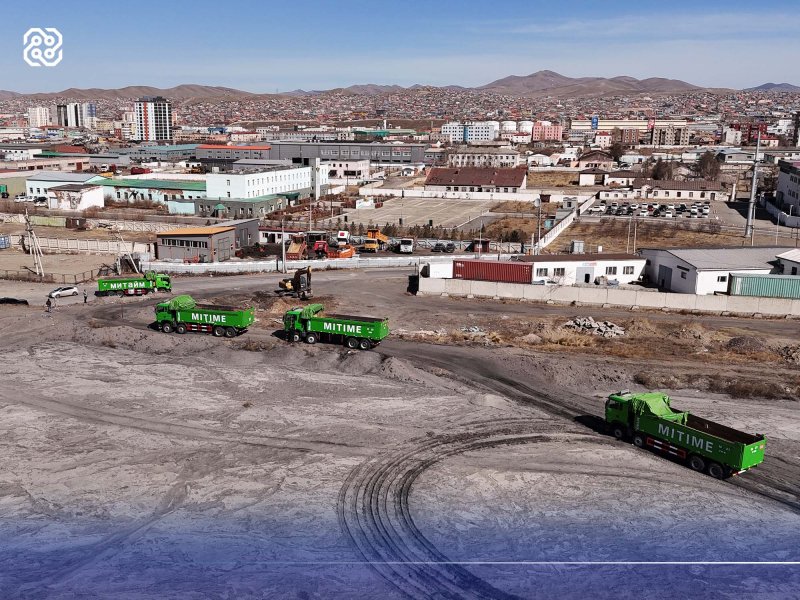
A total of 26 land units were affected by the route of the “Thermal Power Plant No. 5 (TPP-5)” project. As of now, 25 units have been fully cleared, with only one remaining. Completing the land clearance will create the fundamental conditions necessary to accelerate the project’s construction.
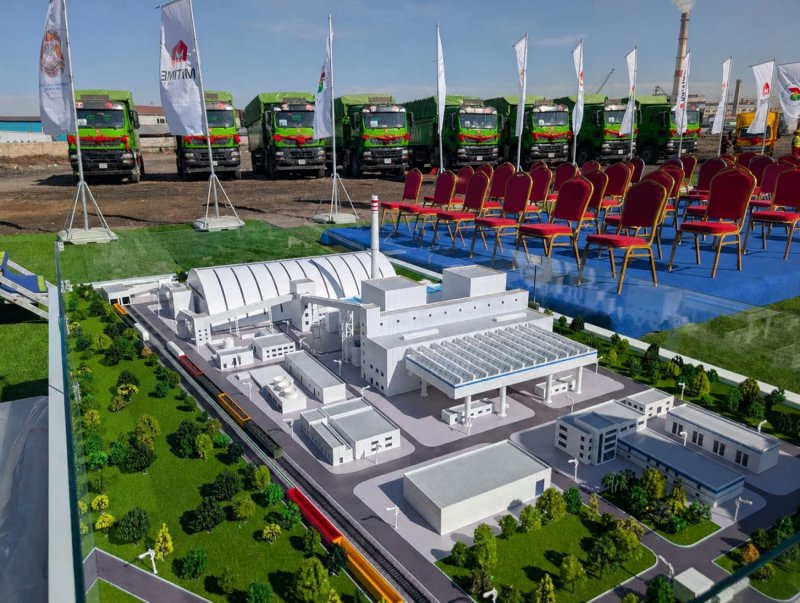
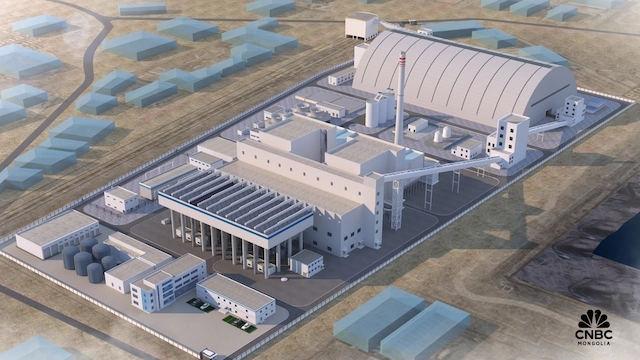
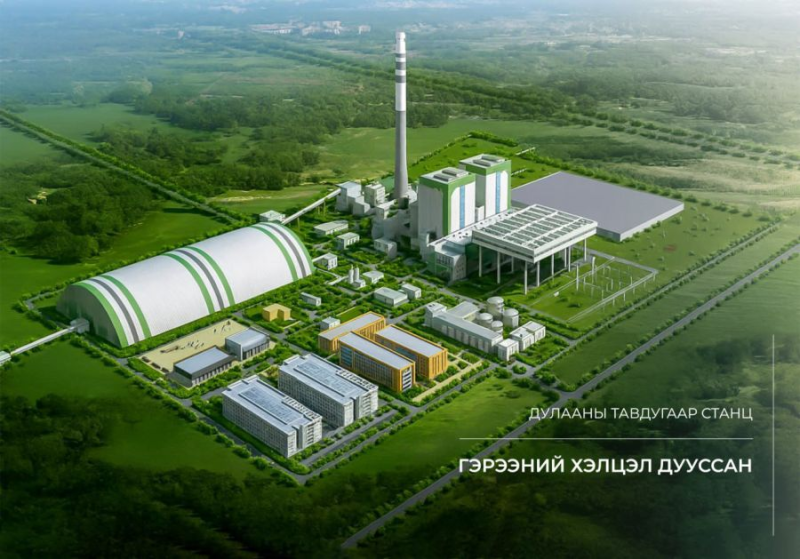
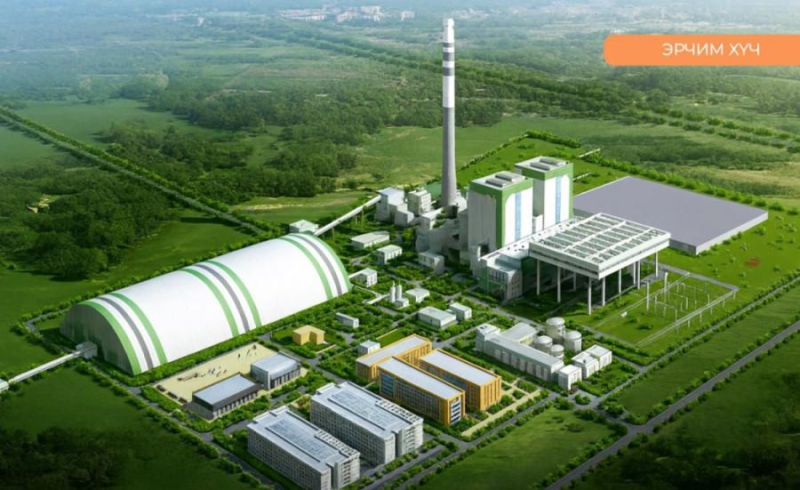
The plant will be built on 26.4 hectares of land in the 20th subdistrict of Bayangol District, utilizing the ash disposal site area of Thermal Power Plant No. 2. It is planned to have a capacity of 300 MW of electricity per hour and 340 Gcal of thermal energy. Once operational, the plant will supply electricity to 100,000 households and heating to 40,000-50,000 households. It will reliably provide thermal energy to areas such as Tavanshar, the 21st microdistrict, “Hilchin” complex, Bayankhoshuu, the 3rd and 4th microdistricts, and the 1st microdistrict, becoming the main heat source for the northwestern part of Ulaanbaatar.
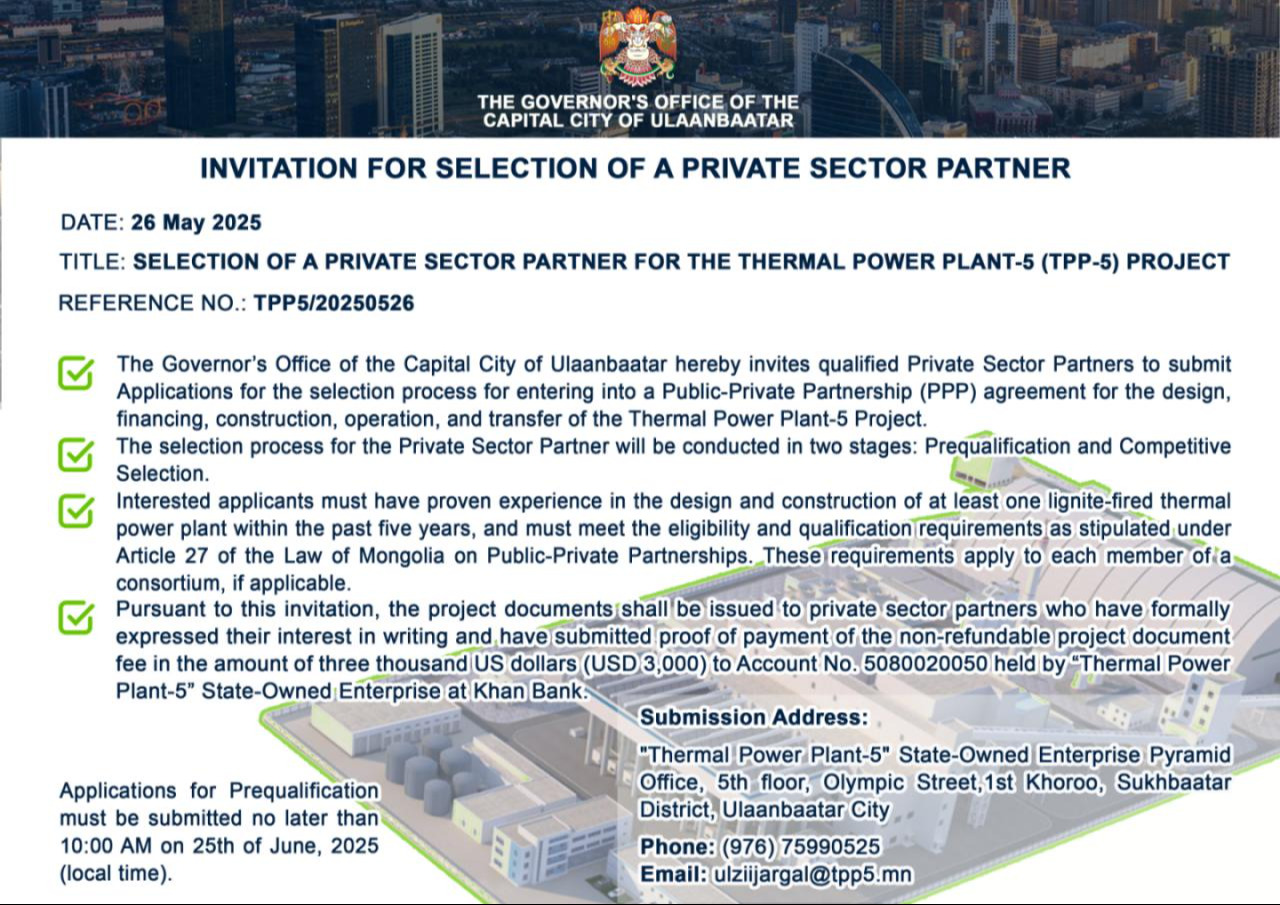
The project will be implemented under a public-private partnership (PPP). The financing structure consists of 20% from the city budget and 80% from a private partner. The private partner is “Mitim International” company. The total duration of the partnership agreement is 27.5 years, including 2.5 years for construction and 25 years for operation. The goal is to complete construction and commission the plant by the third quarter of 2028.
To raise financing domestically, the city has issued bonds in the capital market. These bonds have a 3-year term, an annual interest rate of 14%, and a nominal value of 1 million MNT each, with a total of 200,000 bonds offered publicly. Through this, 200 billion MNT will be raised in 2026 to finance the project, with construction planned to be completed within 30 months.
The project’s feasibility study and environmental impact assessment have been completed. These assessments evaluated potential positive and negative impacts on the local ecosystem, soil cover, water resources, air quality, flora, and fauna. The conclusion indicates that the project will not cause significant harm to the natural ecosystem. Additionally, environmentally friendly technologies will be used to minimize negative impacts. These include circulating fluidized bed boilers to reduce nitrogen and sulfur oxide emissions, air-cooled condensers to reduce water consumption, wastewater treatment systems, and dry ash handling technology that allows ash to be reused in construction materials.